
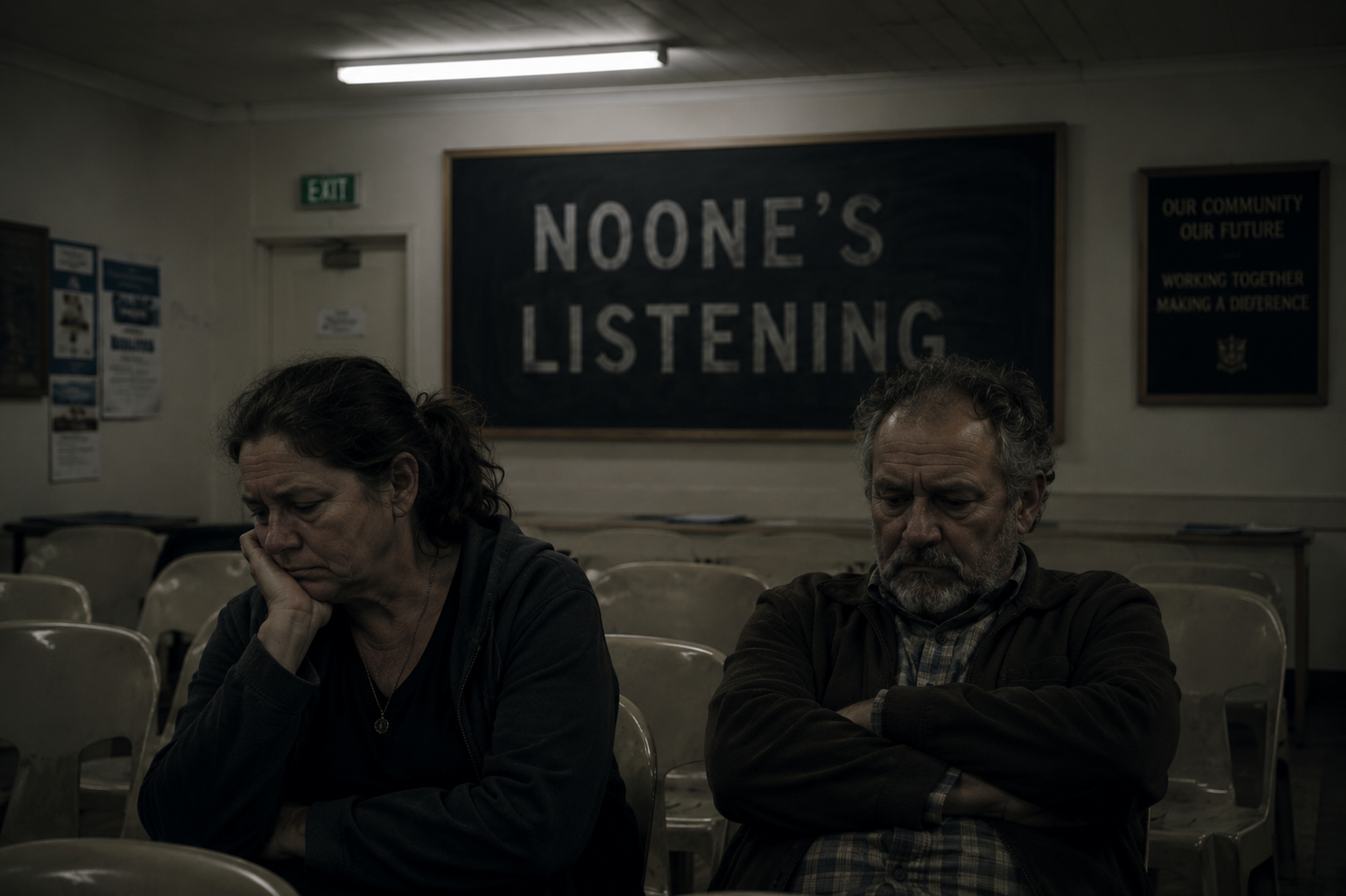
Before you read this, a note worth sitting with.…
That story is fiction. The frustration in it is not. And the gap between Switzerland’s model and most people’s lived experience is exactly what this system is designed to close.
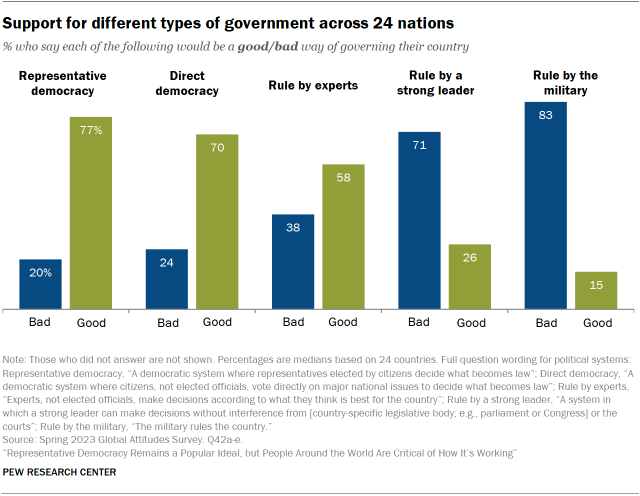
Switzerland consistently records democratic satisfaction rates roughly four times higher than comparable western nations. Not because Switzerland has no problems, or no disagreements, or no difficult decisions — but because Swiss citizens, particularly at the commune level, have genuine direct mechanisms to participate in decisions that affect their lives: voting on local budgets, holding administrators accountable, seeing where public money goes.
Even Switzerland feels the pressure. As centralised political forces increasingly encroach on local autonomy, satisfaction has begun to soften. The pattern is consistent: the closer decisions stay to the people they affect, the more legitimate those decisions feel. The further they travel upward, the more the frustration below begins to look like the story you’re about to read.
The Day I Stopped Bothering
I remember the exact meeting where I gave up.
It was a Tuesday evening in the community hall — the same hall we’d been coming to for years, the same plastic chairs, the same overhead light that flickered every few minutes, the same faces of people who still believed, at that point, that showing up meant something.
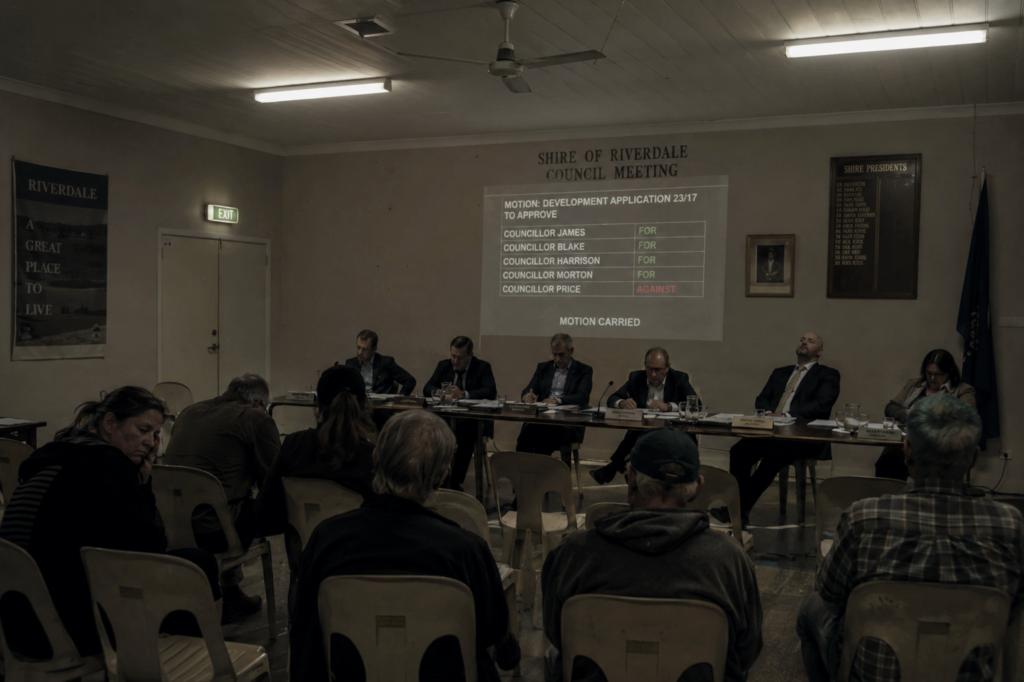
The council had proposed a redevelopment of the old riverside site. A commercial leisure complex — restaurants, a hotel, parking. The consultation had been running for months. We’d filled in the forms, attended the sessions, written the letters. The survey results, when they finally published them, showed that 71% of residents wanted the site kept as public green space. Parks, a community garden, maybe a small outdoor venue for local events. Nothing complicated. Just ours.
The vote went ahead anyway. The leisure complex was approved, 5 to 2.
Nobody explained why the survey results didn’t matter. Nobody had to. We all knew whose company had submitted the development tender. We all knew whose brother-in-law had signed off the planning assessment. We all knew which councillor’s reelection campaign had received a notably generous private donation six weeks earlier. We knew all of this the way you know things in a small town — not from documents, because there were no documents, but from years of watching the same hands move the same levers and somehow always end up in the same pockets.
I drove home that night past the riverside. It was a cold evening, the kind where the water catches what’s left of the light. I thought about the families who’d used that space for thirty years. I thought about the kids who’d grown up on that grass. I thought about all the Tuesday evenings I’d given up, and all the forms I’d filled in, and all the letters I’d written, and how none of it, not one word of it, had made the slightest difference to a decision that had already been made before any of us opened our mouths.
I stopped going after that. So did most of the people I knew.
That’s how it starts. Not with corruption in the dramatic sense — no envelopes of cash, no smoking guns. Just a slow, grinding realisation that the process exists to absorb dissent, not to act on it. That the consultation is theatre. That the outcome was decided before the chairs were set out. That your voice, your taxes, your community, are managed on your behalf by someone who stopped feeling accountable to you a long time ago — and who knows, as well as you do, that there’s nothing you can do about it.
The resentment doesn’t arrive all at once. It accumulates, the way damp gets into a wall. You don’t see it until the damage is done. People who used to disagree loudly now don’t speak to each other at all. The ones who still show up to meetings are the ones who benefit from the current arrangement. The ones who’ve given up — the majority, usually — have taken their energy somewhere else, or nowhere at all. The town still functions. But something in it has gone quiet in a way that doesn’t feel like peace.
I’m telling you this because the system I’ve spent six years building started here. Not in a technical specification or an architecture diagram — in a Tuesday evening in a community hall, watching something that was supposed to be democratic do the opposite of what democracy is for.
What if the survey results had been on a public ledger nobody could edit after the fact? What if every resident, not just the ones who could make a Tuesday evening, had been able to register their view — verifiably, privately, without their name attached to their vote? What if the money trail from planning application to approval had been visible to anyone who wanted to follow it? What if the community had a formal, built-in mechanism to call a vote of no confidence in its own council — not after the next election cycle, but now, when it mattered?
None of this requires replacing the council. It doesn’t require a revolution, or a new political party, or waiting for the right people to get elected. It requires the same people, in the same hall, with the same plastic chairs — but with tools that mean the process produces what it’s supposed to produce, rather than what one person decided it should produce before anyone else arrived.
The riverside site got built. I can’t change that.
But I spent six years making sure the next town doesn’t have to have that Tuesday evening.
Is your area run democratically by the people? Or by politicians? Are you interested in people empowerment for democracy in your area?
Leave us your details, we will be in touch.

I cant believe the author thinks its okay to just stop bothering with responsibilities! We all have bad days, but thats no excuse to give up. Lifes too short to waste on laziness.
Maybe the author is human too. Sometimes a break is needed. Empathy goes a long way.
I cant believe the nerve of the author in The Day I Stopped Bothering! Who just gives up like that? Life is about pushing through, not throwing in the towel. Disappointing read.
Life isnt always about pushing through. Sometimes its about knowing when to let go.
I cant believe the author of The Day I Stopped Bothering is glorifying laziness! We should all strive to be productive and make the most out of each day. What do you think?
I cant believe the author in The Day I Stopped Bothering is so self-absorbed! Who cares about their petty problems? Meanwhile, A day in the life was way more relatable and interesting.
Different strokes for different folks. The authors introspection may not resonate with everyone.