

The pervasive belief that “most people are stupid” is a dangerous oversimplification. While individual intelligence varies, the perception of widespread stupidity often stems from a misunderstanding of human behavior, specifically the role of emotional responses, particularly apathy, in shaping decisions and actions. This article will explore how apathy, rather than a lack of intelligence, frequently underlies behaviors interpreted as “stupid,” challenging the common misconception.
The Illusion of Stupidity:
Many instances labeled as “stupid” are actually the result of emotional disengagement. Apathy, a lack of feeling, motivation, or interest, can lead to seemingly irrational choices. Consider someone who consistently fails to save money despite understanding the long-term benefits. This isn’t necessarily a sign of intellectual deficiency; it might be a manifestation of emotional detachment from future consequences. The immediate gratification of spending outweighs the abstract, future reward of savings. Similarly, someone who ignores health warnings might not be intellectually incapable of understanding the risks; they might be emotionally numb to the potential consequences.
Emotional Reasoning vs. Rational Thought:
Our brains are not purely rational machines. Emotions significantly influence our decision-making processes. Emotional reasoning, where feelings dictate conclusions, often overrides logical analysis. This is particularly true when dealing with complex issues or overwhelming information. The cognitive load required to process all relevant data can be daunting, leading individuals to rely on emotional shortcuts. This isn’t stupidity; it’s a cognitive efficiency strategy, albeit one that can lead to seemingly irrational outcomes.
Apathy as a Barrier to Engagement:
Apathy acts as a significant barrier to engagement with complex information. When people feel emotionally detached from a topic, they are less likely to invest the time and effort required to understand it fully. This can lead to misunderstandings and uninformed decisions, which are then mistakenly attributed to a lack of intelligence. For example, someone who shows little interest in politics might appear uninformed, but this lack of knowledge may stem from apathy rather than intellectual incapacity.
The Societal Impact of Apathy:
The widespread apathy towards certain issues has significant societal consequences. Low voter turnout, for instance, isn’t always a sign of widespread ignorance; it often reflects disillusionment and a sense of powerlessness. Similarly, inaction in the face of environmental challenges or social injustices can be attributed to emotional detachment rather than a lack of understanding. Addressing these issues requires strategies that engage people emotionally, fostering a sense of connection and purpose.
Reframing the Narrative:
Instead of labeling individuals as “stupid,” we should strive to understand the underlying emotional factors driving their behavior. This requires moving beyond simplistic judgments and engaging in empathetic dialogue. By acknowledging the role of apathy and emotional reasoning, we can develop more effective strategies for communication, education, and social change. This shift in perspective is crucial for building a more informed and engaged society.
Conclusion:
The perception of widespread stupidity is a misleading generalization. Apathy, not a lack of intelligence, often underlies behaviors interpreted as “stupid.” By understanding the interplay between emotions and decision-making, we can move beyond simplistic judgments and work towards a more nuanced understanding of human behavior. This requires a shift in focus from labeling individuals as “stupid” to addressing the underlying emotional factors that drive their actions.Expand on the societal impact of apathy, giving concrete examples.
Instead of labeling individuals as “stupid,” we should cultivate greater tolerance and understanding. Dismissing others based on perceived intellectual shortcomings fosters division and prevents meaningful connection. By actively seeking to understand their perspectives, acknowledging the influence of emotional factors on their decisions, and embracing their unique viewpoints, we can build stronger, more inclusive communities. Recognizing the shared humanity underlying differing levels of engagement with information and ideas is crucial for fostering empathy and collaboration. This approach moves beyond simplistic judgments and promotes a more compassionate and connected society.
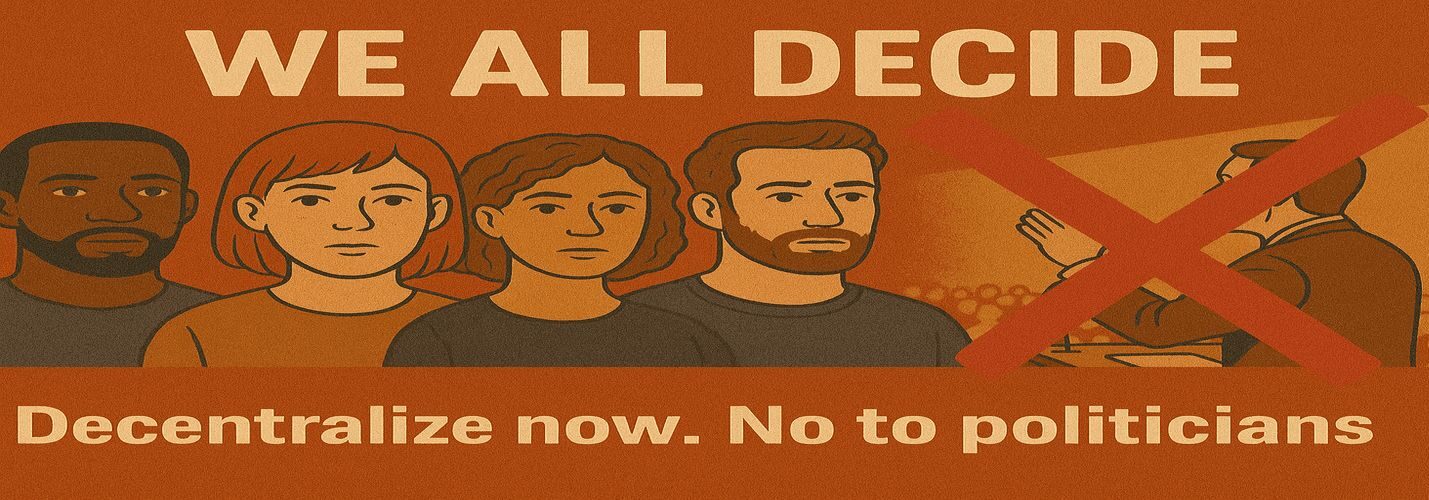
Is your area run democratically by the people? Or by politicians? Are you interested in people empowerment for democracy in your area?
Leave us your details, we will be in touch.



I totally disagree with the article! Ignorance plays a huge role in stupidity, not just apathy. People need to educate themselves and stay informed to combat both ignorance and apathy.
Wait, so youre telling me that apathy, not ignorance, is the real issue? I dont know, I think theyre both pretty problematic. Cant we tackle both at the same time?
Apathy and ignorance go hand in hand. Addressing both is crucial for change. Lets not prioritize one over the other.
I totally disagree with the article! Ignorance is definitely the root of stupidity, not just apathy. People need to educate themselves and take responsibility for their actions. What do you think?
Ignorance can lead to apathy, but its not the only factor. Both play a role.
I totally disagree with the idea that apathy is the root of stupidity. Ignorance plays a huge role too! People can be knowledgeable but still choose to be apathetic. What do you think?